How Variable Message Signs Are Revolutionizing Transportation Systems
Transportation systems worldwide are undergoing a significant transformation, and at the heart of this evolution are Variable Message Signs (VMS). These dynamic, electronic signs are redefining how we manage, communicate, and respond to traffic conditions, making transportation smarter, safer, and more efficient. This article delves into how VMS technology is revolutionizing modern transportation systems and the benefits it brings to commuters and administrators alike.
What Are Variable Message Signs?
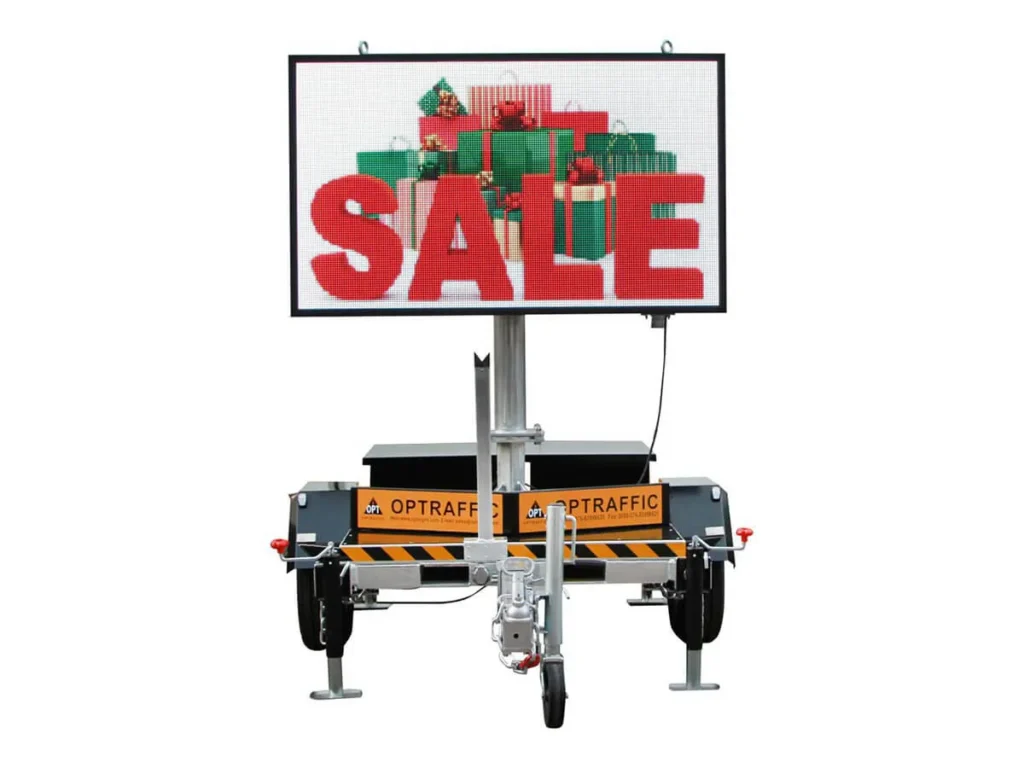
Variable Message Signs, also known as Dynamic Message Signs (DMS), are electronic traffic signs placed along highways, arterial roads, and urban areas. These signs convey real-time information to drivers, including traffic updates, speed limits, travel times, emergency alerts, and other important messages that help improve road safety and traffic flow. Unlike traditional static signs, VMS can be updated instantly, providing commuters with accurate, timely information to make informed driving decisions.
1. Enhancing Real-Time Traffic Management
One of the most significant advantages of VMS is their ability to enhance real-time traffic management. Transportation authorities use these signs to provide immediate updates on road conditions, including congestion, accidents, roadwork, and adverse weather. By informing drivers of current traffic conditions, VMS allows them to choose alternative routes, reducing congestion on busy roadways and helping maintain smoother traffic flow.
For instance, during peak rush hours, VMS can direct drivers toward less congested roads, mitigating bottlenecks and ensuring a more even distribution of vehicles across the network. This real-time guidance helps in reducing travel times, improving fuel efficiency, and enhancing overall driver satisfaction.
2. Promoting Safety on the Roads
Safety is a key priority in transportation, and VMS plays a crucial role in improving road safety for all users. By displaying timely alerts about accidents, lane closures, adverse weather conditions, and hazards, VMS keeps drivers aware of potential risks ahead. This advanced warning system allows drivers to adjust their speed, change lanes, or reroute to avoid dangerous situations.
In addition to emergency alerts, VMS also play an essential role in managing traffic during special events or roadwork, ensuring that drivers are well-informed about changes in road conditions. Furthermore, during emergencies such as natural disasters, VMS can be used to guide motorists safely out of affected areas or to communicate important safety measures.
3. Facilitating Smart Transportation Systems
Variable Message Signs are integral to the development of Intelligent Transportation Systems (ITS). As cities move toward smart infrastructure, VMS are being integrated into ITS to optimize the efficiency of transportation networks. When combined with technologies like traffic cameras, sensors, and GPS, VMS contributes to a smarter system where real-time data is used to predict traffic patterns and respond dynamically.
For example, VMS integrated into ITS can display estimated travel times to various destinations, allowing drivers to make informed route decisions. They can also indicate the availability of parking in nearby areas, easing the search for parking spots and reducing unnecessary driving that contributes to congestion and pollution.
4. Improving Environmental Sustainability
Congestion not only causes frustration but also contributes significantly to vehicle emissions and environmental pollution. By facilitating smoother traffic flow and reducing the amount of time vehicles spend idling in traffic, VMS can help lower greenhouse gas emissions. Redirecting drivers to less congested routes, suggesting speed adjustments, and providing estimated travel times all contribute to reducing the environmental impact of road transport.
Moreover, VMS can play a vital role in promoting eco-friendly driving behaviors. By displaying messages encouraging reduced speed or reminding drivers of environmental initiatives, VMS helps create awareness and encourages motorists to adopt greener driving practices.
5. Effective Management of Special Events
During large-scale events, such as concerts, sports matches, or public parades, managing traffic can become an overwhelming task. Variable Message Signs make it possible to direct vehicles efficiently, control parking zones, and reduce congestion by providing alternative routes. They are also used to broadcast information about temporary road closures or detours, ensuring that drivers have all the necessary information to avoid unnecessary delays.
This capability is particularly important for emergency services, allowing ambulances, fire trucks, and police vehicles to navigate smoothly during large gatherings, ultimately enhancing public safety.
6. Adapting to Changing Road Needs
Unlike static signs that require physical replacement or modification, VMS can be updated remotely in real time. This adaptability allows transportation authorities to address unforeseen circumstances quickly, such as lane closures due to accidents or severe weather conditions. The ability to instantly communicate changes on the road ensures that traffic can be redirected swiftly, mitigating the potential for dangerous situations and reducing overall delays.
In addition, VMS can be utilized for enforcing speed limits by displaying variable speed limits based on current road and traffic conditions. For example, in areas with changing weather, VMS can indicate reduced speed limits during icy or foggy conditions, promoting driver safety.
7. Providing Travel Information and Driver Assistance
Beyond safety and congestion management, VMS also provide valuable travel information to assist drivers. They can display estimated times of arrival, roadwork schedules, toll pricing, and even information about public transportation options available nearby. By offering such comprehensive information, VMS assists drivers in planning their trips better, ultimately contributing to an improved driving experience.
Conclusion
Variable Message Signs are proving to be a game-changer in the evolution of transportation systems. Their ability to deliver real-time information, enhance road safety, and integrate into Intelligent Transportation Systems makes them an indispensable tool for modern traffic management. As cities grow and transportation networks become more complex, VMS will continue to play a pivotal role in ensuring safer, more efficient, and more sustainable roadways.
The future of transportation lies in adaptability and smart technology. With their flexibility, immediacy, and broad range of applications, Variable Message Signs are not just transforming how we drive today but are also paving the way for a future where transportation is more connected, efficient, and responsive to the needs of drivers.