The Radio Helmet: Enhancing Safety and Communication in High-Risk Environments
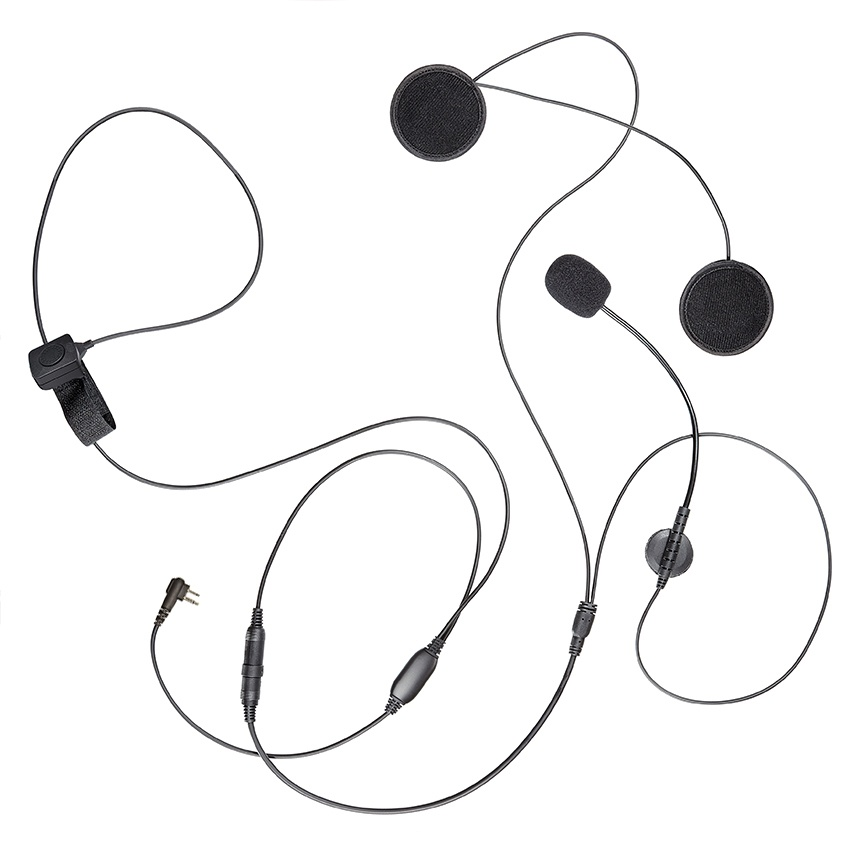
In industries where safety and communication are paramount, the radio helmet has emerged as a vital piece of personal protective equipment (PPE). These helmets integrate communication technology directly into protective headgear, allowing users to maintain clear lines of communication while ensuring head safety in potentially hazardous environments. This article explores the features, benefits, and applications of radio helmets, highlighting their significance in enhancing safety and efficiency across various sectors.
Understanding Radio Helmets
Radio helmets are specialized helmets equipped with built-in communication systems, such as two-way radios or Bluetooth technology. They are commonly used in high-risk environments, including construction sites, industrial settings, and emergency response situations. By combining head protection with advanced communication capabilities, these helmets enable users to stay connected while maintaining their safety.
Key Features of Radio Helmets
1. Integrated Communication Systems
One of the primary features of radio helmets is the integration of communication systems. Many models come equipped with two-way radios or Bluetooth capabilities, allowing users to communicate effortlessly with colleagues without the need for handheld devices. This hands-free communication is crucial in environments where workers need to stay mobile and focused on their tasks. A radio helmet is an advanced piece of personal protective equipment (PPE) designed to integrate communication technology directly into a protective helmet, enhancing both safety and connectivity in high-risk environments.
2. Safety Standards Compliance
Radio helmets are designed to meet strict safety standards set by regulatory bodies. These helmets provide head protection from impacts, falling objects, and electrical hazards, ensuring that users are shielded from potential dangers. Compliance with safety standards is essential for industries such as construction, manufacturing, and emergency services, where the risk of injury is heightened.
3. Noise Reduction Technology
Many radio helmets incorporate noise reduction technology, which helps protect users from harmful noise levels while allowing them to communicate clearly. This feature is particularly important in environments with heavy machinery, construction activities, or emergency response scenarios, where background noise can be overwhelming. Noise-canceling microphones enhance communication clarity, ensuring that messages are transmitted without distortion.
4. Comfortable and Ergonomic Design
Comfort is a crucial factor in the design of radio helmets. Many models feature adjustable headbands, cushioned padding, and ventilation systems to enhance comfort during extended wear. An ergonomic design ensures that the helmet fits securely without compromising mobility, allowing users to focus on their tasks without discomfort.
5. Versatile Accessories
Radio helmets often come with a variety of accessories to enhance functionality. This includes communication headsets, external microphones, and face shields. These accessories can be tailored to meet specific needs, making radio helmets adaptable for various industries and tasks.
Benefits of Using Radio Helmets
1. Enhanced Communication
The primary benefit of radio helmets is the enhancement of communication. By integrating communication systems directly into the helmet, users can maintain clear and effective communication with team members without the need for handheld devices. This hands-free capability is essential in environments where quick and efficient communication can make a significant difference in safety and productivity.
2. Increased Safety
Radio helmets provide a dual layer of protection by ensuring head safety while enabling communication. In high-risk environments, clear communication can be critical for preventing accidents and ensuring that safety protocols are followed. The combination of head protection and communication capability helps create a safer work environment.
3. Improved Efficiency
With hands-free communication, workers can multitask more effectively. The ability to communicate while keeping their hands free allows for faster decision-making and quicker response times. This increased efficiency is particularly valuable in dynamic work environments where rapid communication is essential for success.
4. Cost-Effectiveness
Investing in radio helmets can be a cost-effective solution for organizations. By reducing the need for separate communication devices and ensuring that safety measures are in place, companies can save on equipment costs and reduce the likelihood of workplace accidents. This cost-effectiveness can lead to long-term savings in training, liability, and insurance.
5. Enhanced Collaboration
Radio helmets foster improved collaboration among team members. The ability to communicate seamlessly enhances teamwork and coordination, ensuring that everyone is on the same page regarding tasks and safety protocols. This collaborative environment can lead to higher productivity and better overall outcomes in projects.
Applications of Radio Helmets
1. Construction Sites
In construction, where safety hazards are prevalent, radio helmets are invaluable. Workers can communicate effectively while wearing protective headgear, ensuring that instructions are relayed promptly and safety measures are followed. The integration of communication systems helps coordinate tasks and manage risks on site.
2. Industrial Settings
Radio helmets are widely used in industrial environments, such as manufacturing and warehousing. The combination of head protection and communication capabilities allows workers to stay connected while operating heavy machinery or engaging in complex processes. This enhances safety and efficiency in often noisy environments.
3. Emergency Services
For emergency responders, radio helmets are essential tools. Firefighters, paramedics, and law enforcement personnel rely on clear communication in high-pressure situations. The ability to communicate effectively while remaining protected from potential hazards is crucial for successful operations during emergencies.
4. Event Management
In event management, radio helmets facilitate communication among staff members, security personnel, and coordinators. Whether managing crowds or addressing unexpected issues, the ability to communicate seamlessly enhances event operations and ensures a safe and enjoyable experience for attendees.
5. Mining and Oil Industries
In mining and oil extraction, radio helmets provide protection against falling objects and other hazards while allowing for clear communication among team members. The ability to relay important information quickly can be vital in these high-risk industries, where safety is paramount.
Conclusion
Radio helmets represent a significant advancement in personal protective equipment, merging safety with advanced communication capabilities. With features such as integrated communication systems, compliance with safety standards, and ergonomic designs, these helmets are essential tools in high-risk environments. The benefits of using radio helmets—enhanced communication, increased safety, improved efficiency, and cost-effectiveness—make them invaluable across various applications, from construction and industrial settings to emergency services and event management.
As industries continue to prioritize safety and effective communication, the demand for radio helmets will likely grow. Organizations seeking to improve safety protocols and enhance communication capabilities will find that investing in radio helmets is a proactive step toward creating a safer and more efficient work environment. By embracing this innovative technology, industries can ensure that their workers are equipped with the tools they need to perform their duties safely and effectively.