The Vital Importance of Variable Message Signs in Transportation
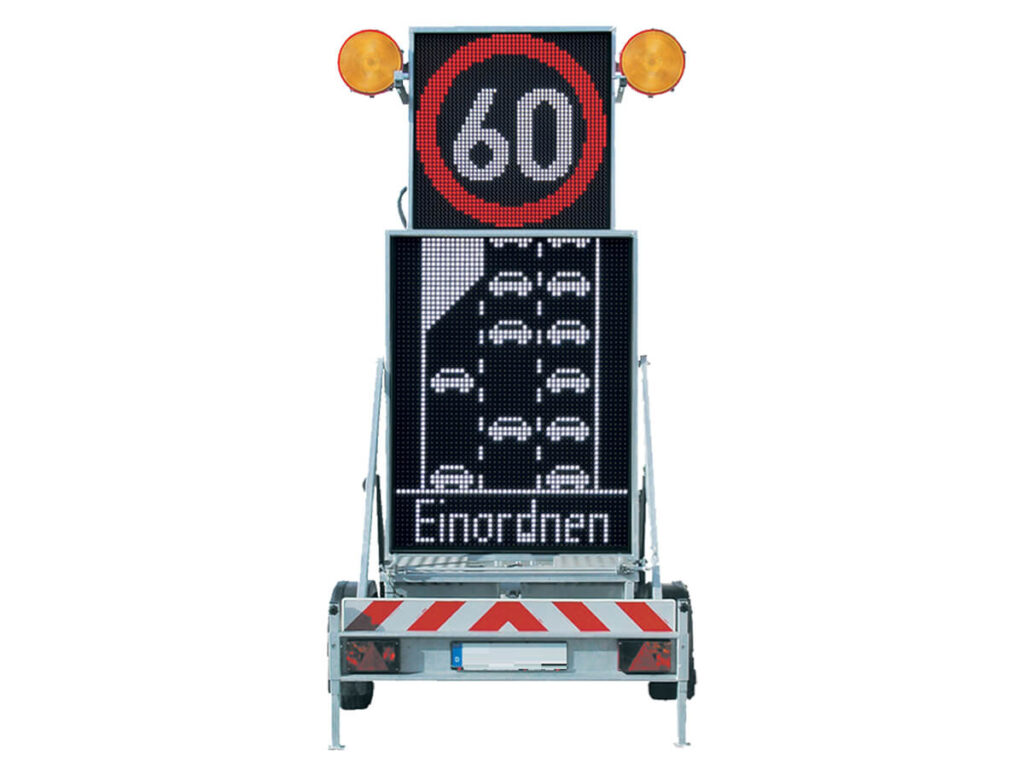
Variable Message Signs (VMS) play a crucial role in contemporary transportation systems by providing essential real-time information to drivers and pedestrians. These electronic displays are designed to communicate a variety of messages that significantly enhance traffic management and improve road safety. As urban areas expand and transportation networks become increasingly complex, the significance of VMS becomes more pronounced.
Understanding Variable Message Signs
Variable Message Signs are electronic displays placed along roadways to relay important information to motorists and pedestrians. Utilizing technologies such as light-emitting diodes (LEDs) and liquid crystal displays (LCDs), VMS can present a wide range of messages that can be updated remotely. Common messages include alerts about traffic conditions, speed limits, road closures, accidents, and construction updates.
VMS are utilized in a variety of settings, including highways, city streets, construction zones, and event venues, making them an indispensable tool for effective traffic control and public safety.
The Importance of VMS for Traffic Management
- Enhancing Road Safety: A primary function of VMS is to improve road safety by delivering timely information to drivers. When accidents or hazardous weather conditions arise, these signs can warn motorists to slow down or take alternate routes, thereby reducing the risk of further incidents.
- Facilitating Traffic Flow: By providing real-time updates on traffic conditions, VMS help alleviate congestion. Drivers receive crucial information about delays, accidents, and road closures, allowing them to select alternate routes and maintain a smoother flow of traffic.
- Promoting Compliance with Traffic Regulations: VMS display important traffic regulations, such as speed limits and lane restrictions, which encourage compliance among drivers. Clear visibility of these rules helps foster safer driving behavior, particularly in areas where speeding is a concern.
- Assisting Emergency Management: During emergencies, such as natural disasters or public safety incidents, VMS serve as vital communication tools. They can broadcast evacuation instructions, safety guidelines, and alternative routes, aiding in the effective management of traffic during critical situations.
- Informing the Public: In addition to traffic-related messages, VMS can disseminate public service announcements, event information, and tourism-related content, thereby engaging and informing the community.
Applications of Variable Message Signs
Variable Message Signs are versatile and can be employed in various contexts, including:
- Highway Traffic Management: On highways, VMS provide essential updates regarding traffic conditions, travel times, and lane restrictions, helping drivers make informed decisions and alleviating congestion.
- Construction Zone Notifications: In construction areas, VMS inform drivers about lane closures, detours, and potential delays, ensuring safer conditions for both workers and motorists.
- Urban Traffic Control: In urban settings, VMS deliver real-time updates on public transportation schedules, parking availability, and traffic signals, improving the overall efficiency of city transit systems.
- Event Traffic Management: For large events, such as concerts or sports games, VMS can guide traffic to appropriate parking areas and inform attendees of any changes to traffic patterns or schedules.
Future Trends in VMS Technology
As technology evolves, Variable Message Signs are likely to become even more advanced. Here are some trends to consider:
- Adaptive Messaging: Future VMS may use real-time data from traffic sensors and cameras to automatically adjust their messages based on current conditions, providing drivers with the most relevant information.
- Integration with Navigation Applications: VMS could connect with navigation systems, allowing drivers to receive alerts directly on their smartphones, enhancing communication and situational awareness.
- Sustainable Practices: With an increasing emphasis on sustainability, VMS design and operation are evolving to include solar-powered signs and energy-efficient technologies, reducing their environmental footprint.
Conclusion
Variable Message Signs are vital for improving road safety, managing traffic flow, and keeping the public informed. As urban areas and transportation networks grow more complex, the importance of VMS will only increase. Continued investment in this technology reflects a commitment to enhancing safety and efficiency on the roads, ensuring that drivers have the necessary information for safe navigation. With future advancements in technology and sustainability, VMS will continue to play a key role in shaping modern transportation infrastructure.